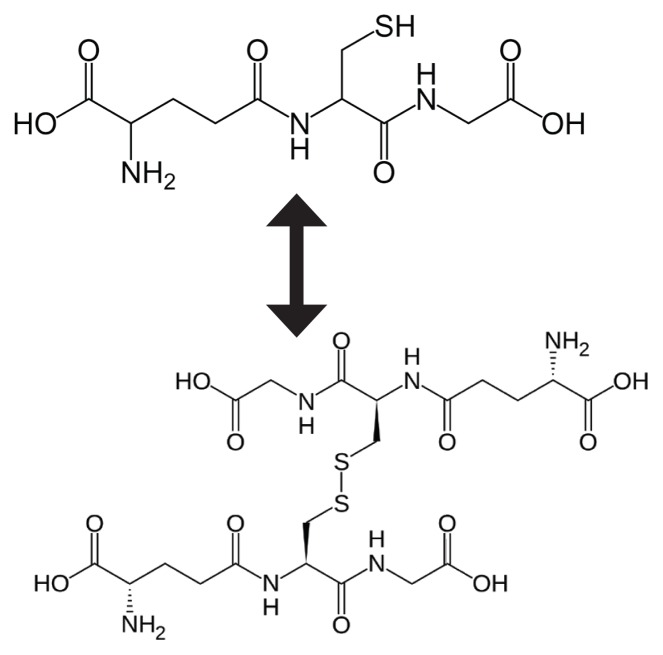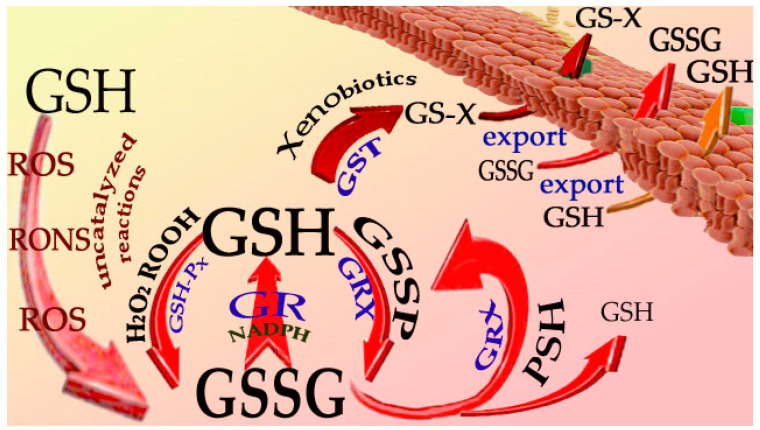
Elevated iron in the SNpc, reduced glutathione, and widespread oxidation of lipids document the oxidative milieu in post-mortem PD brains, whereas deficits in complex I activity and impaired mitophagy underscore the pivotal role of dysfunctional mitochondria in reactive oxygen species (ROS) overload
Additionally, reducing visceral fat can lower the risk of heart disease by promoting heart-healthy eating, controlling hypertension, and encouraging physical activity
The consequent ROS accumulation in the body is inevitably associated with tissue injury [1], since ROS are known to damage cell components, particularly DNA, leading to loss of function, induction of apoptosis, or even carcinogenesis [2]
It's a choice with consequences
Oxygen levels in thermoplastic microfluidic devices during cell culture